Europa League Matchday 1 begins with 18 fixtures across Wednesday 16 and Thursday 17 September 2026. Each night has two 18:45 central-European kick-offs and seven at 21:00, giving supporters four viewing windows and several difficult choices.
Updated on 15 September, this preview lists every pairing, converts the schedule for UK, US and UTC+8 viewers, checks current legal broadcast partners and explains why Milan–Benfica, Sunderland–AZ, Celtic–Ferencváros and Beşiktaş–Marseille deserve attention without pretending the other games are predetermined.
Europa League Matchday 1 at a glance
The 2026/27 Europa League league phase starts across two evenings: Wednesday 16 September and Thursday 17 September 2026. UEFA lists nine fixtures on each night. Two games begin at 18:45 CET and seven at 21:00 CET each evening, creating four distinct kick-off windows rather than one crowded Thursday programme.
| Date | Early window | Late window | Matches |
|---|---|---|---|
| Wed 16 Sep | 18:45 CET — 2 games | 21:00 CET — 7 games | 9 |
| Thu 17 Sep | 18:45 CET — 2 games | 21:00 CET — 7 games | 9 |
The official UEFA fixture list remains the controlling source because kick-off details can change. Same-day readers can also use our today page for the current schedule and match status rather than treating this fixed preview as a live feed.
Why the opening round uses two nights
UEFA's published calendar confirms the Wednesday–Thursday split; it does not give a special sporting explanation for that choice. The safe conclusion is practical: the opening round has been arranged over two nights. It should not be turned into a claim that every Europa League matchweek will use the same pattern, nor attributed to one broadcaster without evidence.
The tournament itself is a single-table league phase. Thirty-six clubs each play eight different opponents—four at home and four away—rather than meeting three group rivals twice. That structure makes every opening fixture a different pairing and removes the immediate return match that once helped teams correct a bad first result.
Matchday 1 is meaningful without being decisive. The top eight eventually qualify directly for the round of 16, clubs placed ninth to 24th enter the knockout play-offs, and the bottom 12 exit. One win supplies three valuable points in an eight-game programme, but opponent strength, away difficulty and later recovery still determine what that start is worth.
Wednesday fixtures and the best first-night watch
Wednesday supplies two early games and seven late ones. Ararat-Armenia host Sparta Praha and Omonia face Celta at 18:45 CET. At 21:00, the card is Milan–Benfica, Leverkusen–Celje, Hapoel Beer-Sheva–GNK Dinamo, Olympiacos–Jagiellonia, Anderlecht–Lyon, Sturm Graz–Rennes and Sunderland–AZ Alkmaar.
That is not a quality ranking disguised as a schedule. Leverkusen and Lyon bring obvious pedigree, while Celje and Jagiellonia get an immediate chance to show how qualification form travels into the league phase. For a one-screen viewer, however, two fixtures carry especially clear stories before a ball is kicked.
Milan vs Benfica: the heavyweight opener
Milan and Benfica share history at the highest European level. UEFA's Matchday 1 briefing notes that Milan beat Benfica in the 1963 and 1990 European Cup finals and enter this meeting unbeaten in the pairing, with four wins and two draws. Those numbers supply context, not a forecast: the clubs, coaches and competition format have all changed.
The personal connection is current. Milan coach Ruben Amorim previously played for Benfica, so he knows the institution and the pressure surrounding it. That does not reveal his selection or press, but it adds another decision layer to a game already likely to be judged against both clubs' European reputations. With no return fixture against the same opponent in this phase, neither side can assume an immediate chance to repair the matchup.

Sunderland vs AZ: history meets a difficult matchup
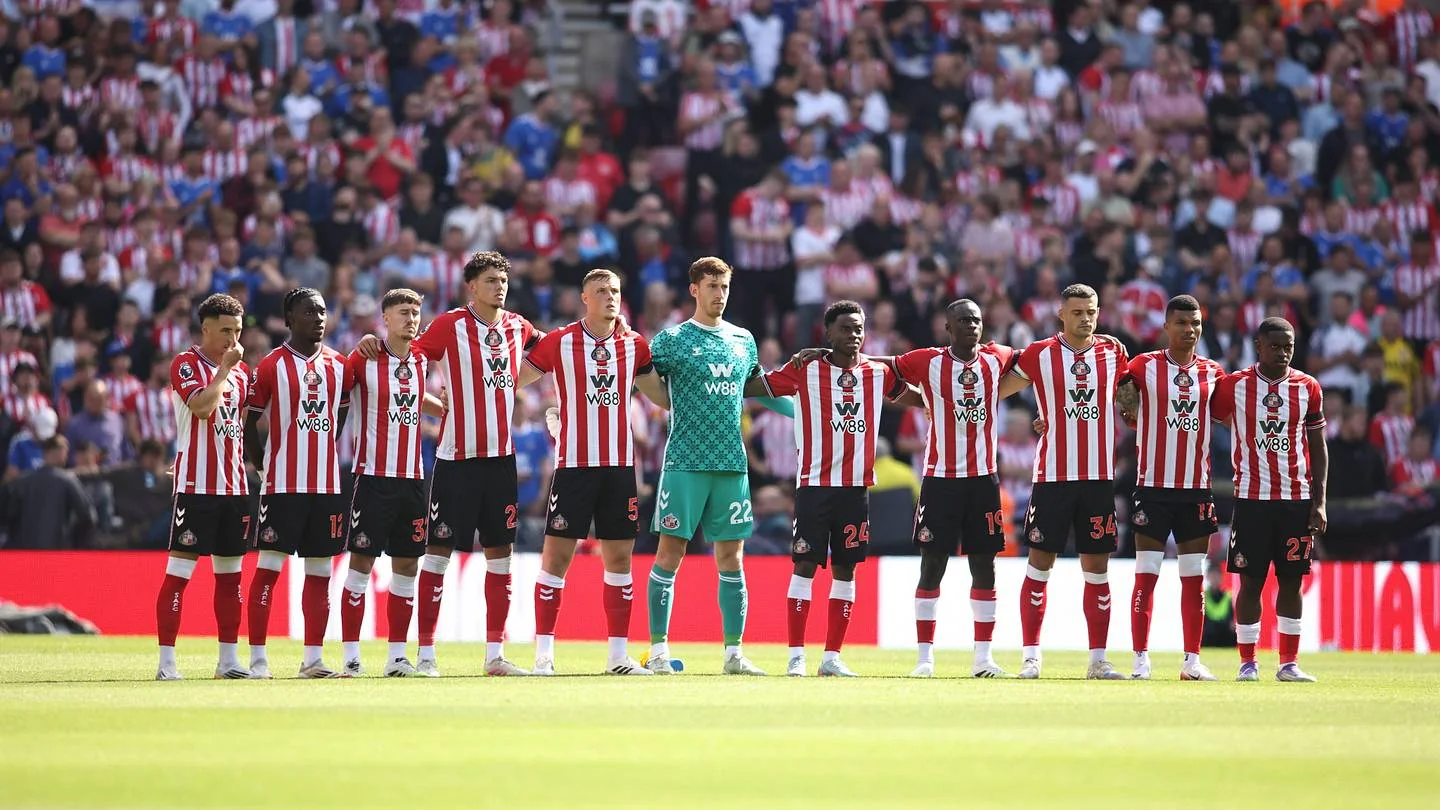
Sunderland's return is the night’s most unusual atmosphere story. UEFA records this as the club's first European campaign since 1973. A packed Stadium of Light should make the occasion feel less like an ordinary opening fixture, yet emotion alone does not solve the questions AZ can ask with patient circulation and experience of continental qualifying rounds.
AZ also arrive with an uncomfortable English record: 11 previous away defeats in England. That trend is relevant to the setting but too blunt to decide the match, particularly because UEFA describes their current-season start as impressive. Sunderland must turn crowd energy into controlled pressure rather than chase every first pass and leave large recovery spaces.
If Milan–Benfica is the heritage choice, Sunderland–AZ is the uncertainty choice. The better selection depends on what the viewer wants: elite-name history and coaching connections at San Siro, or a long-awaited European return against an opponent capable of quieting the ground through possession. The live match page is the right place for late changes and scores once Wednesday begins.
Thursday fixtures and the games that could swing
Thursday's early pair is OFI Crete–Hoffenheim and Levski Sofia–Salzburg at 18:45 CET. The 21:00 group contains Beşiktaş–Marseille, Celtic–Ferencváros, Crystal Palace–Lech Poznań, Viktoria Plzeň–Union SG, Juventus–N.E.C., Lillestrøm–Torreense and Real Sociedad–Bournemouth.
The selection problem is different from Wednesday. Juventus provide the biggest single name, but four clubs on Thursday—Bournemouth, Lillestrøm, OFI Crete and Torreense—are making their UEFA league-phase debuts. Palace arrive as Conference League holders, while Lech bring one of qualifying's most productive wide attackers in Patrik Wålemark, who scored six times in six qualifiers according to UEFA.
Celtic vs Ferencváros: pressure and transition
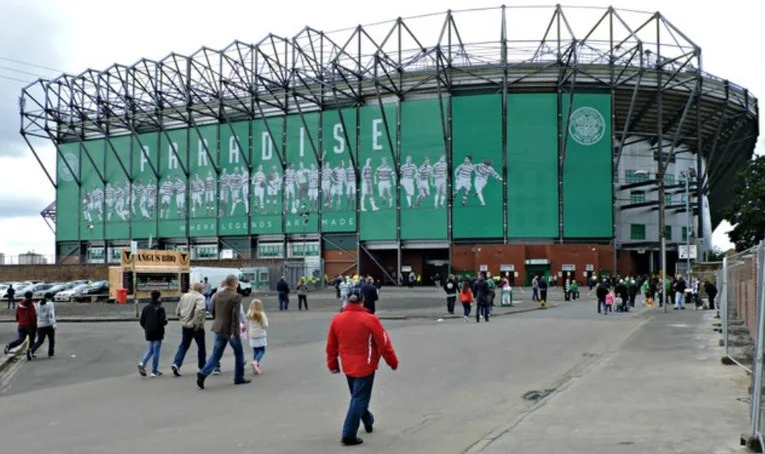
Celtic enter with the emotional residue of a Champions League play-off loss to LASK after extra time. Dropping into another European competition can create urgency, but it can also make possession hurried if the home crowd expects an immediate response. The first 20 minutes should reveal whether Celtic's pressure is connected or simply aggressive.
Ferencváros have a different continuity story. They are Hungarian champions and UEFA highlights two strong recent seasons under Robbie Keane, a former Celtic player. The visitors' clearest opportunity should come when Celtic commit numbers around the ball and leave a route into the wide channels. That is a conditional matchup point, not a claimed lineup: the actual full-back height and midfield cover must be read after teams are named.
Beşiktaş vs Marseille: a volatile atmosphere
Beşiktaş–Marseille places two coaching projects into an unforgiving first night. Vincenzo Italiano reached two Conference League finals with Fiorentina before taking the Beşiktaş job; Marseille are beginning under Bruno Génésio. Each coach has reason to establish a recognisable attacking identity, yet an away opener is a poor place to lose rest defence while chasing that statement.
“Volatile” here describes game state rather than crowd behaviour. An early Beşiktaş goal could turn the stadium into a pressing accelerant. An early Marseille escape through the first line could produce the opposite problem, with the home side forced to recover toward its own goal. The match may reward the team that slows the emotional tempo at the right moment.
Elsewhere, Real Sociedad–Bournemouth offers a sharp technical test for a continental debutant, and Juventus must solve the expectation gap against N.E.C. The complete UEFA schedule should remain open because a compelling first half in the less obvious fixture can justify switching screens at the break.
Kick-off times in the UK, USA and beyond
UEFA's master list labels the two windows 18:45 and 21:00 CET. For 16–17 September, central Europe is still observing summer time, so the practical conversion is based on UTC+2. Britain, the United States and many other markets are also on daylight time. That detail prevents the common one-hour error.
Convert CET before you build your watchlist
| UEFA window | UK (BST) | US Eastern (EDT) | US Pacific (PDT) | UTC+8 |
|---|---|---|---|---|
| 18:45 | 17:45 | 12:45 | 09:45 | 00:45 next day |
| 21:00 | 20:00 | 15:00 | 12:00 | 03:00 next day |
That means Sunderland–AZ begins at 20:00 in Britain, 15:00 in New York and noon in Los Angeles. A Beijing or Singapore viewer sees it at 03:00 on Thursday 17 September. Thursday's late games likewise become Friday-morning fixtures in UTC+8, so the local calendar date must change even though UEFA lists Thursday.
These are Matchday 1 conversions only. By the January rounds, European and North American clocks will have returned to standard time, changing the gaps. Saving a September table and applying it to Matchday 7 is an easy way to miss kick-off.
Time zone and television territory are separate questions. A US viewer travelling in Britain may see the British clock time but still face account or rights restrictions tied to the service. Start with the time conversion, then check the legitimate broadcaster for the location and subscription being used.
Finally, verify the individual match on the day. UEFA warns that fixtures can change, and broadcasters may allocate their channels only after the master schedule is set. Our calendar is the durable planning view; the official match listing remains the final authority for a late adjustment.
How to watch Matchday 1 legally
Broadcast rights are territorial, so the correct first question is where the viewer is physically watching—not which club is involved. UEFA's current 2026/27 partner list identifies rights holders, but individual channel, language and package details still need a same-day check.
United Kingdom coverage
UEFA lists TNT Sports for the United Kingdom. With nine simultaneous matches in the late window on each night, the brand name alone does not tell a subscriber which linear channel or app feed carries Milan–Benfica, Sunderland–AZ or any other pairing. Search for the exact teams and 16 or 17 September date in the TNT schedule.
Build in time for authentication and app updates. A 20:00 BST late-window kick-off is not the moment to discover that a television app has signed out or that the selected tile is a highlights programme. If several feeds are offered, confirm whether the stream begins with pre-match coverage or only close to kick-off.
United States coverage
UEFA lists Paramount+, DAZN and TUDN for the United States. That does not mean every match appears on every service or every subscription tier. TUDN may serve a Spanish-language audience, while streaming allocation and authentication can vary. Our US TV guide helps organise the slate, but the provider's final listing controls availability.
The two central-European windows become 12:45 and 15:00 Eastern, or 09:45 and 12:00 Pacific. Daytime viewing makes mobile and workplace connections tempting; use an authorised provider rather than an unofficial mirror whose feed, legality and security are uncertain.
Five-minute viewing check
Confirm territory, exact match, local date and time, channel or app, and account access. Recheck the listing after any fixture-time change.
Away travel adds another variable. A home subscription does not guarantee identical access abroad, because territorial rights and account rules can change with location. Downloading the legitimate app does not override those rights; consult the provider's travel guidance rather than promising a workaround.
A practical two-night viewing plan
Eighteen games reward selectivity. Start by choosing one late match on each night, then decide whether either early fixture deserves a full watch. Trying to follow seven simultaneous late games produces plenty of notifications but very little understanding of how one contest develops.
Heritage and occasion
Make Milan–Benfica the Wednesday anchor. On Thursday, choose Celtic–Ferencváros for the Champions League-exit response or Beşiktaş–Marseille for the new-coach pressure.
Debuts and underdogs
Watch Sunderland–AZ, then Lillestrøm–Torreense or Real Sociedad–Bournemouth. The question is how a newcomer handles the first period when Europa League speed and occasion arrive together.
Tactical contrasts
Use Omonia–Celta or Levski–Salzburg as an early match, then move to Palace–Lech or Milan–Benfica and track how pressure, width and transition control differ.
Those are editorial viewing routes, not predicted entertainment scores. A famous fixture can become slow and controlled; a debut matchup can open immediately. Keep the results page on a second device and let game state, rather than club size, decide whether to switch.
A useful switching rule is to reassess at half-time, after a red card or when a match reaches a two-goal margin. Constant five-minute hopping removes the buildup that explains a goal: how a press was bypassed, which flank was overloaded or why a midfielder could no longer protect the second ball.
The early windows also deserve realistic planning. A US Pacific viewer faces 09:45 starts, while an East Asian viewer crosses midnight. If work or sleep removes that slot, accept it and concentrate on one late match rather than relying on an unauthorised replay whose availability is uncertain.
Finally, do not build a plan around feeds your subscription does not include. Check H2-05's territory logic first, confirm the provider allocation, then make the football choice. The best watchlist is one that is both legal and actually executable.
What Matchday 1 can—and cannot—tell us
Three points are fully real in an eight-match league phase. An away win immediately reduces the pressure on later home fixtures, while a heavy defeat can leave goal difference to repair. Matchday 1 also gives the first competitive evidence of whether a summer plan survives Europa League speed, travel and unfamiliar opposition.
Look for repeatable behaviours rather than one highlight. Can Sunderland press AZ without exposing the space behind the first line? Can Celtic respond to a Champions League exit without forcing the ball? Does one of the six league-phase debutants keep its domestic identity once the opponent controls possession? Those questions remain useful even if a deflection or set piece decides the score.
The table must still be read with restraint. All 36 clubs share one ranking, but they do not play the same eight opponents. A team beating a debutant at home and a team drawing away to a former European champion may occupy different positions while having faced very different difficulty. After one round, raw rank is a record of outcomes—not a schedule-adjusted power rating.
Reasonable early signals
Pressing connections, build-up solutions, transition protection, chance creation, player roles and the value of an away point.
Conclusions to avoid
Qualification secured, elimination inevitable, one coach “found out,” or a table position proving one team is stronger after 90 minutes.
The eventual bands are unforgiving: the top eight go directly to the round of 16, ninth through 24th enter knockout play-offs, and 25th through 36th exit. That makes every result valuable, but it does not make the first result destiny. Seven different opponents remain, with four total home and four total away games across the phase.
After the final whistle, check the results for confirmed scores and the league-phase table for the real ranking. Then add the missing context: venue, opponent strength, performance pattern and the remaining draw. A useful Matchday 1 judgment should be specific enough to test again on Matchday 2.
The Matchday 1 plan
Choose one anchor game per late window, verify the provider and local start time, and use live scores to decide whether a second match has earned a switch. The two-night opening schedule makes it possible to understand more than one contest without reducing the round to highlights.
Most importantly, treat the first result as evidence rather than a verdict. Three points matter in an eight-game phase, but opponent strength, venue and seven remaining matchups decide whether an opening performance becomes a real qualification trend.
Matchnight discussion
Ask a question or share your thoughts with other fans. Comments are reviewed before they appear. Please keep it friendly and leave out personal details.
Read our privacy policy and comment guidelines.
Loading comments…