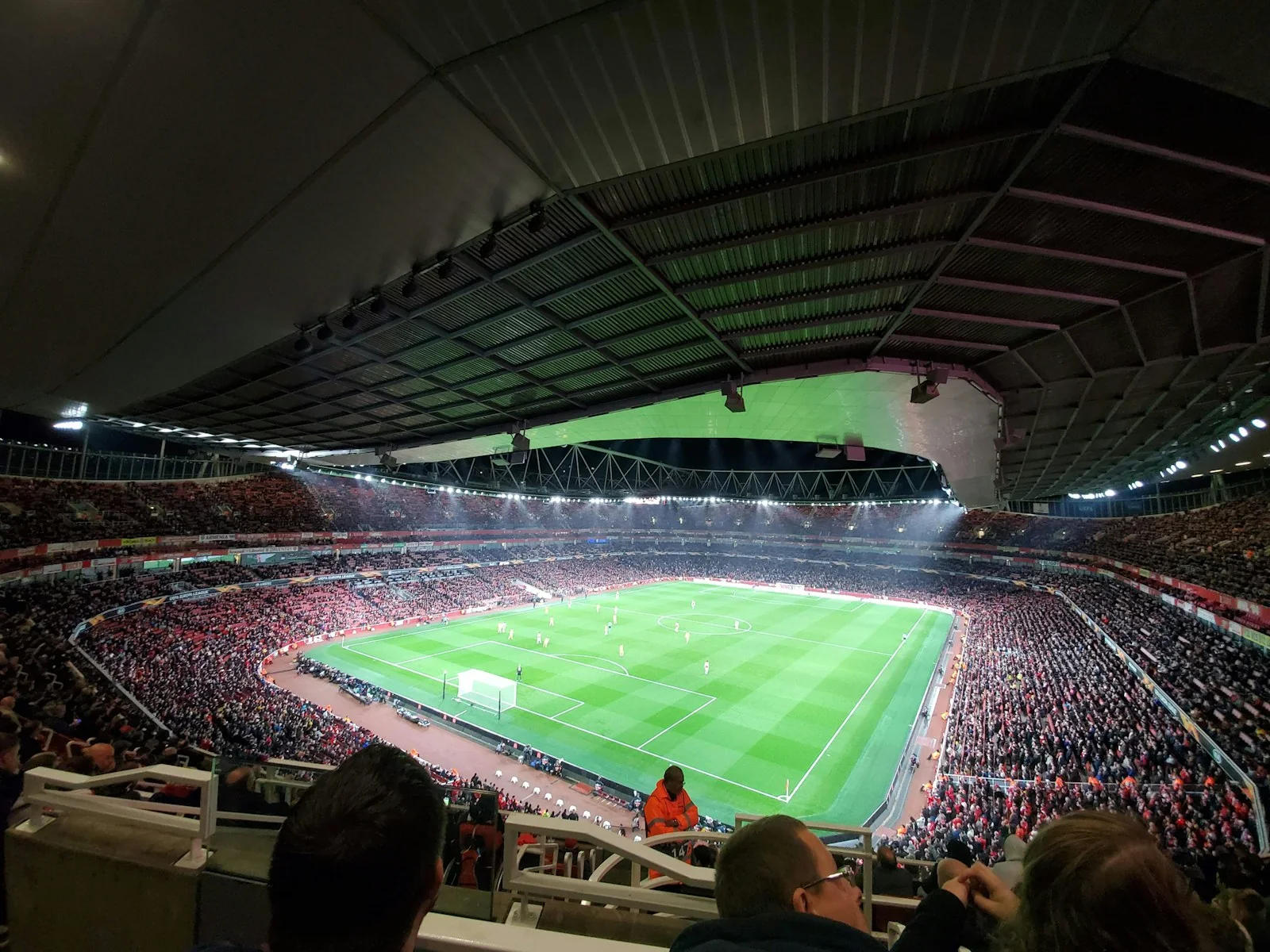
To watch the 2026/27 Europa League legally, first identify the official broadcaster for the country where you are watching, then verify the exact match on that provider's live schedule. In the United States, UEFA currently lists Paramount+, DAZN and TUDN; in the United Kingdom, its current list points to HBO Max, which carries TNT Sports coverage.
There is no single worldwide free stream. Some territories have selected free-to-air coverage, trials have conditions, and UEFA.tv generally provides highlights rather than live video of flagship Europa League matches. The guide below separates those choices so a fan can spend the hour before kick-off watching the build-up instead of troubleshooting an account.
Start with your territory, not a channel name
Rights follow location
The fastest legal route to a Europa League stream begins with the country where you are watching. Broadcast rights are sold by territory, so a service recommended by a friend abroad can be unavailable, carry a different match or require a different subscription at home. UEFA's 2026/27 broadcast-partner list is the right first reference because it separates countries instead of presenting one global answer.
A broadcaster name is still only the start. Confirm whether its Europa League coverage is live, highlights-only or split with another partner; whether your package includes the relevant sports channel; and whether the match sits on television, an app or both. UEFA marks some entries as highlights-only. That small symbol is the difference between seeing goals after full time and watching the match from kick-off. It is also why search results that say a channel “has UEFA football” can be technically true but useless for the fixture you want.
Territory rules apply even when an app travels on your phone. The 2026/27 competition regulations state that live rights are not meant to spill outside the licensed area. Normal travel can therefore change what an account shows. Before paying, read the service's location and device terms directly; do not assume a home subscription guarantees access abroad. A legitimate stream should identify the operator, price or authentication requirement and match listing clearly.
Schedule and stream are separate checks
First confirm the official fixture and local start time. Then confirm which partner carries it. Those checks solve different problems. The official game may start at 18:45 or 21:00 Central European time, but the listing in New York, London or Shanghai changes with time zone and daylight-saving rules. For an Asian viewer, a European Thursday-night match may begin on Friday locally. Use the site's local-time match list for the appointment and the TV listings tool for the outlet.
Then open the broadcaster's live schedule rather than its general Europa League landing page. Parallel kick-offs create a practical issue: a linear channel can show one game while the streaming service offers several feeds. Search by both club names and match date, and check whether the event is live or a replay. If the page says “coverage from” a time earlier than kick-off, that usually refers to studio build-up, not a changed match time.
This territory-first method is less glamorous than a list of links, but it stays accurate when rights move. It also protects the fan from the most common failure: buying the right brand in the wrong region or the wrong tier. Country, language, package, device and exact match are five distinct questions. Resolve them in that order and most streaming confusion disappears before matchnight.
Do not broaden a country answer into a continent answer. UEFA lists DAZN for Canada, a CPSL combination for the Caribbean, and three named partners for the United States. In Asia, mainland China and Hong Kong also have different partners. Those boundaries can look arbitrary to a travelling supporter, but they are the boundaries a service uses when deciding what appears in its catalogue. The language you prefer and the country attached to a payment card can affect account options, yet neither replaces the fundamental check of where the stream is licensed.
When two official partners are listed, that can mean choice, shared coverage, different languages or different products. It does not automatically mean every match is duplicated everywhere. Open each provider's schedule and compare the fixture. This extra minute is particularly valuable on the final league-phase night, when every club plays and a single television guide cannot display the full choice at once.
How to watch in the United States
English-language streaming
For the 2026/27 season, UEFA's current United States entry names Paramount+, DAZN and TUDN. Paramount+ maintains a dedicated Europa League hub and has already carried the season's league-phase draw. For an English-language viewer, the practical first check is the Paramount+ match listing. Search for the clubs, not just “Europa League”, because the competition page can mix live events, replays, highlights and draw programmes.
Do not assume “CBS has the rights” means every game appears on the same broadcast television channel. Eighteen matches can run across two kick-off windows on a league-phase day. A streaming catalogue can accommodate concurrent feeds while a linear schedule has limited slots. The exact event card should show when coverage begins, whether it is live and which tier or authentication route applies. UEFA's current partner directory confirms rights ownership; the platform's same-day listing confirms delivery.
Avoid hard-coding a monthly price into your match plan. Subscription tiers, bundles, introductory offers and billing through app stores can change during a ten-month season. Check the provider directly, confirm that the sports content is included in the tier offered to your account, and note whether cancellation or trial conditions fit your needs. The most expensive mistake is starting a subscription moments before kick-off and discovering that a device needs a fresh login or location check.
Spanish-language and device checks
TUDN gives Spanish-language viewers another official route, while the current UEFA list also names DAZN in the US. Because partners can divide games or language feeds, check both the competition schedule and the individual match card. A search result from 2024 is not enough evidence for a 2026 match; UEFA's older English partner page, for example, lists a different combination. Rights pages are dated documents, and the 2026/27 entry should control.
On matchday, test the actual screen you intend to use. Sign in, update the app, confirm captions or language audio, and make sure the live event appears at least 20 minutes early. If casting matters, test it with another live programme; replay playback does not always expose the same restrictions as live sport. A VPN error, simultaneous-stream limit or outdated television app is easier to solve before the teams walk out.
US kick-off conversion deserves care across daylight-saving changes. Central European times do not move in perfect sync with American clocks, so a familiar six-hour East Coast offset is not a season-long rule. Use the US TV page near the fixture, then compare it with the provider. If both agree on the club names and start time, you have a much stronger check than a generic “Thursday on Paramount+” search snippet.
How to watch in the United Kingdom
HBO Max and TNT Sports
UEFA's 2026/27 partner list names HBO Max for the United Kingdom. TNT Sports remains the sports coverage brand familiar to UK viewers, while HBO Max is the streaming platform carrying that coverage for the new season. That distinction explains why older pages say TNT Sports and newer listings point to HBO Max: they describe connected parts of the viewing route at different moments in the platform transition.
For a specific Thursday, begin with the fixture and then open the current HBO Max or TNT Sports schedule. Check whether the game is assigned to a television channel, available as a separate stream, or both. The Europa League has parallel kick-offs, so the headline television match may not be your club's match. A platform can advertise the competition while placing individual feeds behind a particular sports add-on or account level. Read the live-event page before subscribing; avoid relying on a price or bundle quoted months earlier.
UK time also changes during the tournament. The published UEFA fixture list often uses Central European time, while UK listings use local GMT or BST. Most of the season's Thursday pattern feels familiar, but the exact relationship changes around daylight-saving transitions. The site's UK television guide presents the fan-facing local time; compare the two club names as well as the hour before opening a stream.
Why BBC searches cause confusion
A search for “Europa League today BBC” does not necessarily mean the supporter expects BBC to own the live rights. BBC Sport is a common habit for fixture lists, live text, reports and scores. But UEFA's current UK live-partner entry is HBO Max, and BBC is not named there as the live outlet. The safe conclusion is narrow: a BBC result may help with news or score context, but it is not evidence that the match video is available there.
This matters because search snippets collapse several products into the word “live”. A live text page, live radio commentary, minute-by-minute score and live video are different services. Look for explicit language such as “watch live”, a channel badge and a playable event card. If a page offers a report or a live blog, enjoy it for what it is, but do not wait until kick-off to discover that it never promised pictures.
A good UK matchnight setup therefore has two screens of information, even if they are on one device: the official time and score context, plus the licensed video platform. Sign in before the programme starts, verify the correct sports access, and choose the club-specific feed. That modest preparation is more reliable than searching the same channel phrase repeatedly after the teams are already playing.
What “watch for free” really means
Live free-to-air versus trials
A legal free option can exist, but “free Europa League stream” is not one universal product. It may mean a free-to-air broadcaster showing a selected match in its own territory, a paid service offering a temporary trial, or an existing television package that gives a subscriber app access at no extra charge. Each has different conditions. A broadcaster in Türkiye or Switzerland, for example, does not become a global free service simply because its domestic audience can receive selected coverage.
Trials deserve the same care as any subscription. Confirm eligibility, the included sport tier, billing date and cancellation method before you start. Do not assume a trial exists because an old guide mentions one. Likewise, avoid sites that hide the operator, open repeated pop-ups, demand unusual software or promise every match worldwide without explaining rights. The combination of no territory, no broadcaster identity and no clear terms is a warning, not a bargain.
Highlights and delayed viewing
UEFA.tv is useful and free to register for, but UEFA's own platform FAQ says flagship Europa League matches are generally not shown live there. Its strength is official highlights, archive programming, draws and other on-demand video. UEFA says competition highlights are generally available after midnight in the viewer's local time zone. That makes UEFA.tv a strong legal answer for a supporter who can wait, not a substitute for the licensed matchnight service.
The difference matters when avoiding spoilers. A highlights page may display the final score in its thumbnail or title, while a full replay can preserve the narrative of the match. Check whether your paid broadcaster offers “start from beginning”, replay availability and a spoiler-free mode. If you only need goals and major incidents, official highlights are efficient. If you want to understand pressing changes, substitutions and game state, a fuller replay or extended highlights is a better football product.
A safe matchday checklist
- Confirm both club names, date and local kick-off time.
- Check UEFA's current partner for the country where you are physically watching.
- Open the exact event and verify live video, language, package and device.
- Sign in and test playback before the pre-match programme begins.
- If live access is unavailable, choose official radio, text or post-midnight highlights.
That final fallback is still a good way to follow the competition. Live radio and text can carry the tactical story, while the site's results page confirms what happened and official video supplies the pictures later. “Free” becomes useful when it accurately describes the access offered. Treating every score page, highlight clip and unauthorised embed as live television only wastes the minutes before kick-off.
Rights can change during future cycles, so return to the current partner directory rather than bookmarking a claim forever. The robust approach is simple: exact match, current territory, explicit live listing. Everything else—brand recognition, an old article or a search snippet—is supporting evidence at best.
The reliable three-part check
Match, territory, service: confirm all three on current pages. Then test the device. Rights language can seem complicated, but that sequence makes it practical and keeps the answer tied to the game you actually want to watch.
Matchnight discussion
Ask a question or share your thoughts with other fans. Comments are reviewed before they appear. Please keep it friendly and leave out personal details.
Read our privacy policy and comment guidelines.
Loading comments…